How to calculate the required number of radiators: step by step
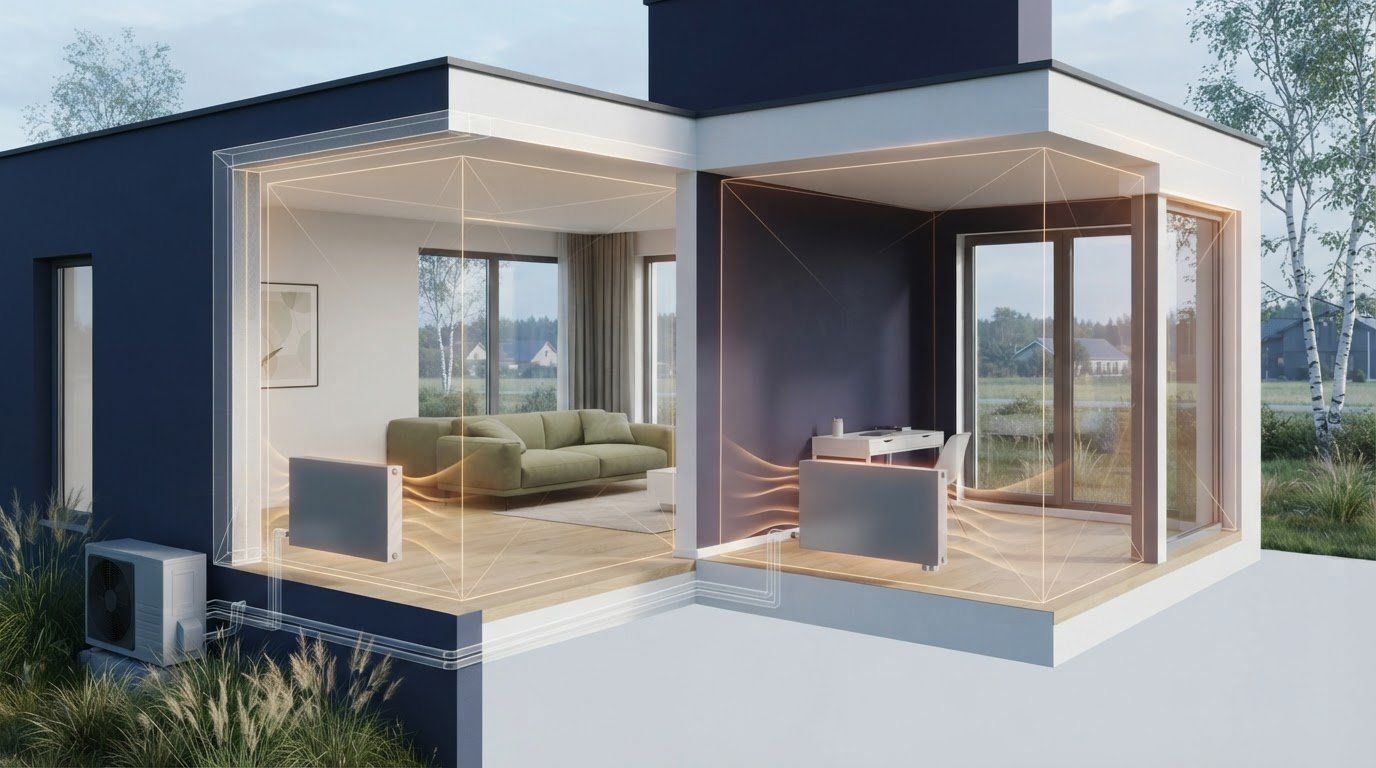
More radiators do not necessarily mean a warmer space. To understand how to calculate the required number of radiators, not only the space space, but also the heat losses and the actual heat output of the radiator should be taken into account.
The calculation of the area, for example, by adopting 100 W per square metre, is only useful as an approximate starting point. The result is influenced by the height of the ceiling, windows, exterior walls, building insulation and the location of the room. The temperature regime of the heating system is also important: lower temperatures in the system, for example, with an air-water heat pump, the heat output of the radiator may differ from the return to the higher temperature heating system.
In this article you will find out how to determine the heat capacity required for the room, compare the performance indicated in the radiator technical data with the parameters of the heating system and calculate the number of radiators.
Why can't the number of radiators be determined by space only?
Multiplier of space with a certain capacity per square meter, you can obtain an approximate starting point, but it cannot determine how much heat the space loses. Heat loss is a heat that should be added to maintain the desired temperature in the room. It passes through the outer walls, windows, floor and roof, as well as during air exchange.
The choice of the radiator is determined by the space's calculated heat need and not just its area. Two rooms of the same size may have different heating power requirements. For example, in a well-heated room with good quality windows, heat losses may be smaller than in a corner space of the same size with several outer walls. Radiator heats the space by transferring heat to air and to surrounding surfaces. This process is also briefly described in the article on For heating radiators.
Which conditions of the room change the required heat output?
A more accurate calculation shall take into account a number of interrelated circumstances:
- Heat: insulation of walls, roof and floor affects how quickly heat is released from the building.
- Windows and exterior walls: The window area and type, as well as the number of exterior walls, are important. The corner room usually has more exterior walls than the room in the middle of the building.
- Height of ceiling: at the same floor area, there is a higher heating capacity in a higher room.
- Position: the calculation shall include the location of the space in the building, such as the floor and contact with unheated attic, basement or adjacent space.
The design calculation takes into account the insulation, space layout and the characteristics of the envelopes. If the conditions in the premises vary significantly, individual assessment helps to avoid both under- and unnecessarily large power choices.
How to calculate the required radiator power and number for the room?
The calculation shall be performed in a sequential manner: first, determine the required heat output of the room, then establish the actual radiator return in the heating system and calculate the required number of radiators.
The rated power of the radiator may differ from its return to a particular system. The nominal value given in the technical table refers to certain test conditions. If the temperature of the heating water is lower, the radiator can give less heat. Therefore, compare the radiator's return to the temperature of the forward and return of your system.
How to use radiator technical data table?
The table seeks to find the heat output of the radiator, which is usually specified in watts, and to check at what temperature of the water and room it is determined. Only radiators whose power is indicated under the same conditions are compared. If the manufacturer has added correction factors, they are used according to the table to adjust the nominal power to the specific temperature regime. The values for the coefficients vary depending on the radiator and working conditions.
How to obtain the number of radiators from the required power?
The formula shall be used:
Number of radiators = space required power ¶ actual return of one radiator
For example, let's assume that the space has calculated 1800 W heat need and the actual return of the selected radiator in the particular system is 600 W. Calculation: 1800 ʹ 600 = 3, so three such radiators are needed. These numbers are illustrative, not a recommendation for a particular space.
If the result is e.g. 2.4, the number of next healthy radiators and the verification that the total actual return of all radiators covers the heat needs of the room shall be assessed. This example does not replace the calculation of the heat loss of the space. radiator heating solution.
How to check the calculation in each room and avoid mistakes?
Before purchasing radiators, a separate record shall be made for each room. Specify the area, the ceiling height, the number and size of windows, the number of exterior walls, the space position and the calculated need for heat. This will make it easier to notice the differences that a common calculation for the whole house may not show.
- Check that the actual radiator return corresponds to the space's calculated heat need.
- The radiator is to be evaluated. Heat must be able to spread freely in the room, so avoid covering the radiator with furniture or thick curtains.
- Consider the shape and layout of the room. In a long room or space with multiple windows, several radiators are considered instead of one more powerful. Appropriate placement can help to distribute heat more evenly.
A frequent error is to assume that radiators of the same power are required in all rooms. The inner bedroom and corner of the living room with large windows may have different heat losses. Therefore, check each room separately, instead of selecting one power for the whole house.
How does the temperature influence the choice of the radiator?
The difference in temperature between heating water and indoor air influences the radiator heat output. The lower the system water temperature, the more important it is to compare the actual radiator power and not just the nominal. This is especially important when choosing a heat pump: the radiators must be suitable Air-to-water heat pump working mode.
When is a more accurate calculation of heat loss required?
Professional evaluation is useful if you change the heating source, replace the existing system or change windows, insulation and space layout. After such changes, the previous calculation may no longer match the building. The design shall evaluate all the premises and the common system operating mode so that radiator capacity is mutually harmonised.
If you want to calculate the number of radiators for your home, apply a professional evaluation of the heating system.

How to choose radiators and align them with the heating system?
When selecting radiators, compare their actual heat output in the required operating mode, size and suitability for the intended space. The number of units does not in itself tell whether the room will be sufficiently heated: the total return of all radiators should be taken into account. For example, two radiators of the appropriate power together can provide the heat needed for the space, and their location can help to distribute it more evenly.
When calculating the number of radiators, make sure that the characteristics of the radiators correspond to the operating temperature of the heating source and system. Correct coordination is an important step in choosing the heating solution.
What should be taken into account when heating is provided by a heat pump?
The heat pump system must assess whether the radiators are able to transfer the required heat to the room at the appropriate water temperature. Therefore, it is not enough to compare the nominal capacity of the radiators only. air-water heat pump solution and evaluate it together with the parameters of the radiators. The suitability and functioning of the system is determined by the calculation of the building and the heating system, not by a general promise of efficiency or savings.
How to move from calculation to a suitable heating solution?
Before designing, the data of the rooms and technical information of the selected radiators shall be compiled. Record the calculated heat need of each room, the radiator return in the given mode and the planned layout. This overview helps to evaluate not only the individual rooms, but also the heating system in general.
Commodus offers consulting, designing and installing heating systems to match the choice of radiators with the needs of the building and the heat source. Apply heating solution consultation and discuss how to apply the calculation to your building.
Convert calculation into a smart heating choice
The choice of the radiators is part of a wider decision on how to ensure a pleasant and balanced heat in the house. Before buying, think about what comfort you want in each room and whether improvements or changes in the heating system are planned in the near future. This helps you to choose a solution that meets both current needs and future plans.
If you still think about how to calculate the required number of radiators, do not rely on a rough guess. When assessing the radiators together with the rest of the heating system, you can find a suitable solution for the building.
Apply heating solution consultationto assess with a specialist radiators and heating system for their building.
Frequently asked questions about the calculation of radiators
Can the number of radiators be calculated only by space area?
No, the area alone is not sufficient for accurate calculation. The same size of rooms may have a different need for heat, for example, if one has more exterior walls or older windows. To calculate the number of radiators, the space needs to be assessed and the actual return of the radiator. The area may be used for initial estimation, but not as the sole basis for selecting radiators.
Does a larger radiator always reduce the heating bill?
No, a larger radiator in itself does not guarantee a smaller bill. It can provide the necessary heat at lower water temperature, but consumption is also affected by the building's heat losses, heat source and heating control. If the room is heated, more power is not a benefit. Choose the radiator according to the calculated need and maintain the desired temperature in the room.
Should radiators be calculated again after replacement or insulation of windows?
Yes, after such improvements, the calculation is worth reviewing, because the heat loss of the space may change. If windows or insulated exterior are replaced, the power of the previously selected radiator may no longer match the new conditions. Also, the building may be rebuilt, for example, by moving the partition or by combining the space.
Can existing radiators be used with an air-water heat pump?
Sometimes, but it can be evaluated by the radiator return in the heat pump's intended water temperature mode. A radiator that has operated with another heating source can transfer less heat to the room at lower temperature. The size and technical data of the radiator together with the heat needs of the building are assessed. This helps to understand whether the existing system can be maintained or changed.
Why can the actual radiator capacity differ from the technical description of the power?
The capacity specified in the technical description generally refers to certain test temperature conditions. If the heating system has cooler water or the room temperature differs, the actual heat output of the radiator may be different. Compare the temperature parameters shown in the manufacturer's table with the system operating mode. If correction factors are available, they shall be used according to the manufacturer's instructions.
Comments