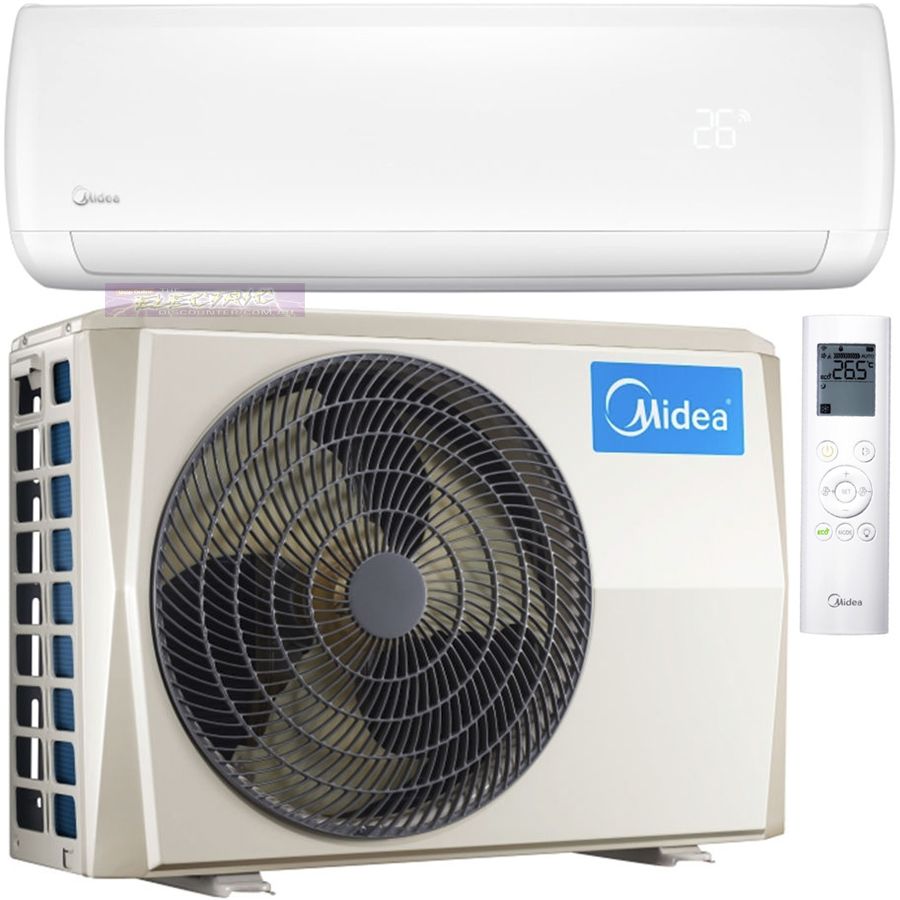
What are air conditioners?
Air conditioning has been known to people for several centuries, for example through the use of ice. This process was very time-consuming and expensive. As technology developed, the first air conditioners were invented more than 60 years ago – units that use the physical properties of refrigerant to produce cooling even in very hot weather and transfer it indoors.
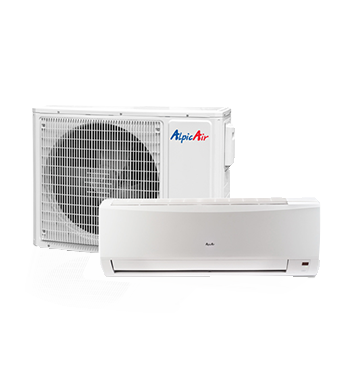
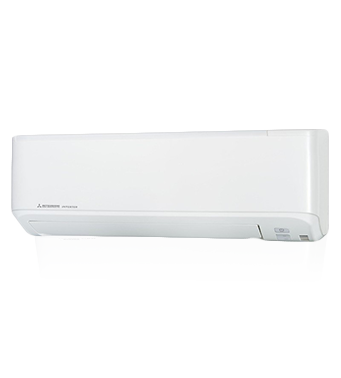
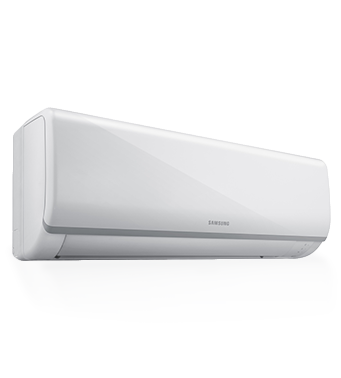
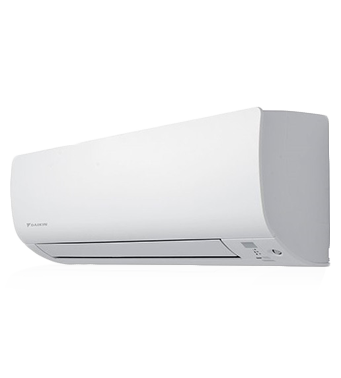
An air conditioner is a fully automated unit that provides the desired comfortable temperature by cooling the indoor air and maintaining a comfortable humidity level. Modern air conditioners can also provide heating, air purification and ionisation functions.
For air-conditioning equipment, energy efficiency is expressed by EER – a coefficient showing how many kW of cooling can be produced from 1 kW of electricity. For fixed-speed air conditioners, this ratio is 20–70% lower than for inverter-type air conditioners. Inverter air conditioners consume 20–70% less electricity than conventional units, although their price is 1.5–3 times higher.
It should also be noted that inverter-type air conditioners can operate as air-to-air heat pumps in winter and provide warm air indoors, working efficiently and economically at outdoor temperatures down to -25°C. Fixed-speed air conditioners are intended mainly for summer use and, during the cold season, can operate down to around -5°C outdoor temperature.