How to prepare heating system for winter: practical guide to housing
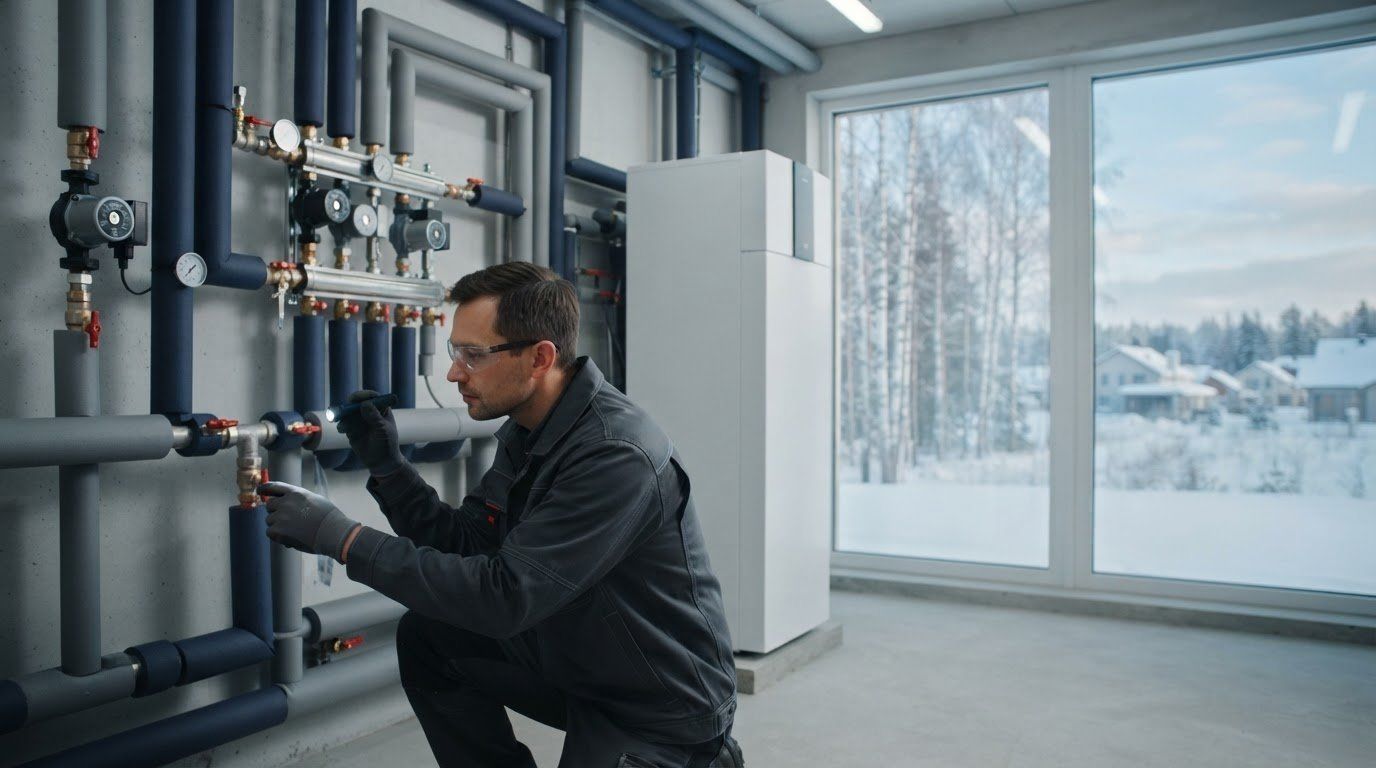
Is the heating system really ready for winter just because last season was working? Before the cold starts, it is worth finding out how to prepare the heating system for winter. A problem that has been noticed in time can help avoid surprise when the heat in the house is particularly needed. Start with monitoring of visible parts and system operation, then decide whether professional maintenance is necessary.
You will find out what you can see yourself, how to notice leaks, unusual sounds and uneven heat, as well as when you need a specialist. Boilers and heat pumps have different maintenance needs, so let's see how to adapt the test to the particular system. Commodus advises, designs and calculates heating systems, as well as they are installed and serviced.
Why prepare the heating system for winter time?
The heating system can work differently after the summer downtime and cannot be reliably determined only by the external appearance of the installation. Early inspection helps to detect changes before heating becomes a daily necessity. If you think about how to prepare the heating system for winter, start with a simple visual check and monitoring of the system's operation. Do not try to control or disrupt the equipment manually at once.
See available pipes, connections, radiators and outside heating equipment. Moisture, drops or new stains at connections may indicate leakage. Unusual sound, smell or changes in the operation of the equipment also give the system attention. These signs themselves do not reveal the cause of damage, but they are useful information to be passed on to the specialist.
What signs do you see in the inspection of the heating system?
Heating activity is evaluated by comparing several signs with the usual. When operating the system, you see whether the radiators heat up and whether the heat is divided in the rooms as before. Heating systems differ in type and design, and the components are given a general insight into their components. heating systems description.
- Look for visible moisture, drops or new sediments on pipes and connections.
- Consider sounds and smells that are different from what is usually done.
- Monitor the smooth warming of radiators and rooms, not just in one part of the dwelling.
Visual inspection helps to detect changes, but does not replace professional evaluation of equipment and system. The specialist can check the operation as a whole and recommend appropriate maintenance or optimisation. If you notice leakage or the system is operating unusually, do not draw a conclusion by one sign and do not interfere with the technical nodes.
How to prepare a boiler or heat pump for winter?
Preparation of the boiler and heat pump differs due to both the construction and maintenance requirements of the equipment. Therefore, when thinking about how to prepare the heating system for winter, first look at the instructions for use of your equipment. You will find the maintenance procedures for the particular model. You can notice visible changes, but do not disrupt the equipment and change its technical settings.
What should be taken into account when preparing the boiler for the heating season?
Check the outside of the boiler for visible damage or leakage and watch whether the plant is operating normally. The maintenance needs of solid fuel and pellet boilers differ, so be guided by the instructions of the manufacturer of the plant, not by experience with other types of boiler. If you notice unusual operation, trust the expert in the evaluation of the plant. RTboiler (5616).
What should be taken into account when preparing a heat pump for winter?
Visually evaluate the condition of the heat pump and monitor whether it works as usual. Pay attention to visible damage and changes in operation, but do not try to correct the settings or perform repairs yourself. Air-water heat pump guide.
In both cases, your role is to notice and describe what has changed. In order to identify and prevent technical problems, appropriate assessment is required.commodus specialists advise, design, calculate, install and service heating systems, adapting the solution to the particular equipment and housing.

Heating system winter test: practical sequence of action
To understand how to prepare the heating system for winter, a check is made in order: see the visible parts, observe the system operation and record what you notice. This will give you specific information, not reliance on memory.
What can the owner of the dwelling test himself?
- Look at the radiators and the pipes. Pay attention to moisture, drops, stains, damage or other changes to pipes and connections. Check that there is no visible problem near radiators.
- Arrange space around the radiators. Cleans dust and moves objects that cover the radiator. A free space around it helps heat spread into the room, while curtains or furniture can disturb it.
- Watch the heating operation. Look for the possibility of the space warming as usual and of new sounds or other unusual changes. One sign in itself does not reveal the cause of the problem.
- Record observations. Note which part of the system or room you noticed changes, how they are manifested and or repeated. This description will help to tell the heating specialist more precisely.
When does the help of a heating specialist need?
If the problem of operation recurs, there is a visible leakage or it is not clear why the equipment is working differently than usual, professional evaluation is required. The reason is not always obvious, therefore it does not repair the equipment and does not make technical adjustments itself. The specialist can calculate and evaluate the system, perform maintenance or optimise its operation according to the particular equipment and housing.
If you want to professionally evaluate the heating system, get acquainted with Commodus heating system services.
How does professional maintenance help prepare heating for winter?
Visual inspection helps to detect changes, but does not reveal all about the technical condition of the installation and heating system. The specialist can evaluate the operation of the system in general and determine what maintenance or optimization is necessary for the specific solution. Maintenance costs depend on the type of equipment and the amount of work required, therefore they are assessed according to the specific situation.
If you want to understand how to prepare a heating system for winter, professional maintenance is perceived as the next step after your observations. Commodus advises, designs, calculates, installs and serves heating systems, adapting the work to the specific solution.
How to prepare for the conversation about heating maintenance?
Before the conversation, you will find out what will help you to understand the situation and discuss the most appropriate next steps.
- Write down the type of heating equipment and, if you know, its model.
- Mark the change in activity and where it appears.
- The questions about maintenance, calculation or optimization of the system shall be prepared.
The maintenance approach depends on the installation, system design and the problems encountered. Therefore, the costs are determined by the planned works. You can also use the Commodus heating cost calculator to assess the heating and fuel costs.
If you want to discuss maintenance of your heating system or the most suitable solution, get acquainted with Commodus consultation.
Include heating preparation in home plans
Heating preparation is not just a list of works before the cold. It is an opportunity to get to know your home better: to see which rooms heat differently and how the equipment works. Record observations and keep them so that it is easier to notice changes and explain them to a specialist in the next heating season.
If you know how to prepare the heating system for winter, you can choose the next step according to the situation: start with a simple review or discuss the technical condition of the system and possible optimization with the specialist. It is important to pay attention to changes and to entrust technical issues to a knowledgeable team.
To discuss what approach would be appropriate for your home, contact Commodus team on heating system preparation for winter. Start with your observations and questions to choose the most appropriate next step.
Frequently Asked Questions
Is the heating system to be checked even if it was functioning well in the previous season?
Yes. Operation of the previous season does not guarantee that the condition of the system has not changed. Before the heating season, the visible parts of the view and, when the system is running, watch for unusual sounds, leaks or different heat distribution. If you think about how to prepare the heating system for winter, you will also take into account the instructions for the use of the equipment.
Why doesn't the radiator warm evenly?
The temperature of the radiator is at least 2 °C. The temperature of the radiator is at least 2 °C. The temperature of the radiator is at least 2 °C.
Does the boiler and radiators need the same maintenance?
No. The boiler generates heat, while the radiators and pipelines distribute it to the dwelling, so the content of the test may vary. Follow the manufacturer's instructions for the particular equipment and take into account the state of the system, for example, whether the room heats evenly. One maintenance list or the frequency of maintenance is not suitable for all equipment.
What should be considered if the winter home is not to be heated for long periods?
Before switching off, check the instructions for use of the equipment and discuss the situation with the specialist, especially if you are not sure how to leave the system in the absence of the system. It is not assumed that all housing is covered by one temperature or one system emptying procedure.
Comments