Selecting a circulating pump for heating: how to find a solution suitable for the system?
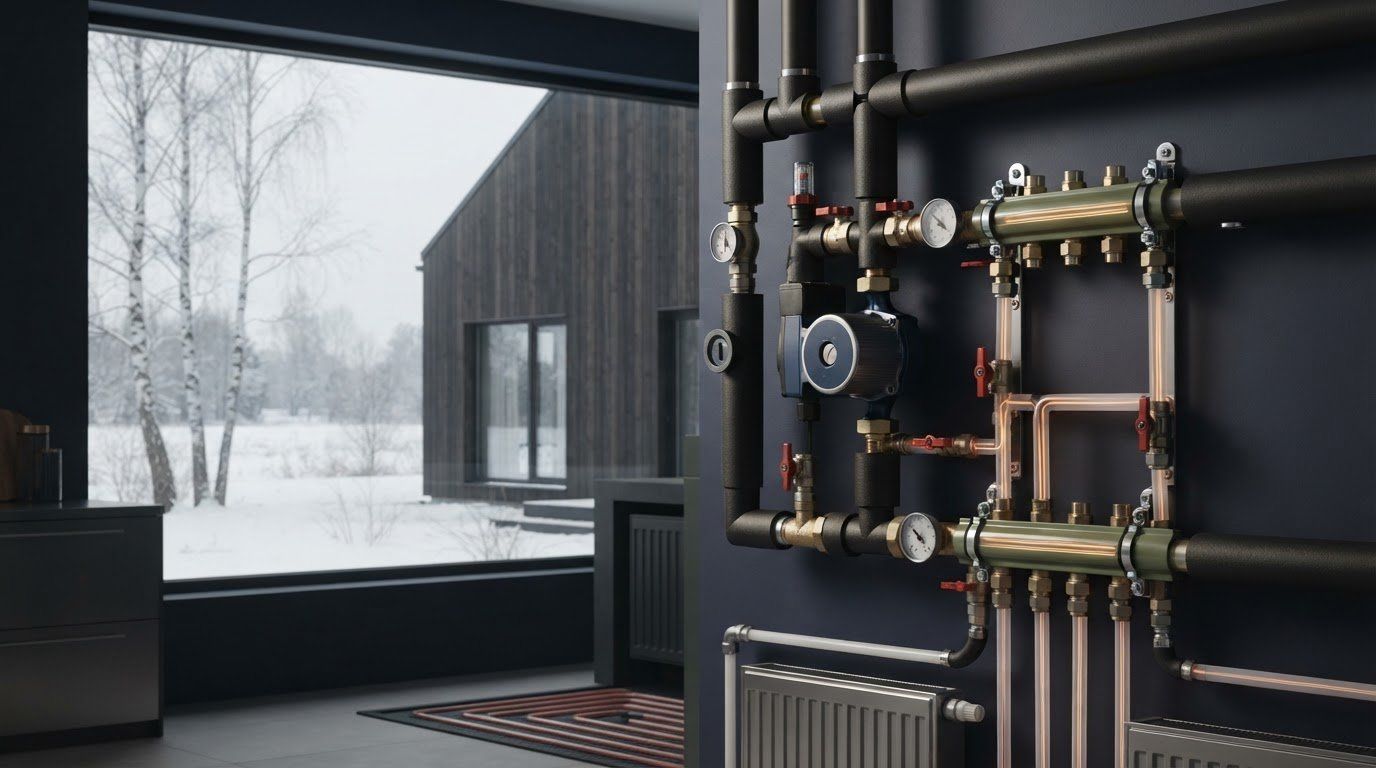
Is a more powerful circulator always providing better heating? Not necessarily. The choice of the circulator for heating is not just a comparison of power: the pump must meet the needs of the whole system. If it is too weak, the rooms can heat unevenly. On the other hand, too powerful pump can consume excess electricity and make it difficult to adjust the system.
The type of heating, the length and resistance of the pipes and the heat loss of the building should be taken into account when selecting the pump. Radiator and warm floor systems may have different requirements, so an appropriate solution cannot be determined only by the heating area or the power of the device.
In this article you will find out which system data should be taken into account, how to compare the types of pump operations and controls and why correct calculation is important. Let's also see when a professional evaluation of the system is useful, so that the pump works in harmony with the rest of the heating equipment.
Why should the selection of circulators for heating start with the needs of the system?
The circulating pump directs the heat transferor through the heating system, delivering heat from the heat source to the radiators or the hot floor contours and back. Therefore, the pump cannot be selected apart from the other equipment. Its operation must be in accordance with the system's construction and required flow. circulation pump and its role in hydronical heating is also provided by Wikipedia.
In brief: an appropriate pump provides the necessary heat transfer flow for the system, taking into account resistance of pipelines and heating loops, heat return devices and system diagram. Therefore, the heating area alone is not sufficient for the selection criterion.
In the radiator system, the heat transferor flows along branches to radiators. Thermostatic valves can change the flow when space heat demand changes. In heated floors, the collector divides the flow into separate circuits, the length and settings of which may vary. These differences affect both the operating mode of the pump and the system adjustment.
What elements of the heating system affect circulation?
The calculation takes into account the length and diameter of the pipes, bends, fittings, valves and connected radiators or floor contours. Each element affects the resistance of the flow. Also, the heat source connection scheme and additional nodes, such as the collector or storage tank, are important. These details determine how the heat transferor moves within the system.
Why is the area under heating not enough?
Two identical areas of buildings may have different heat losses, pipe layout, heating devices and system hydraulic resistance. Therefore, the same pump solution will not always be suitable for both. Before comparing models, collect the heating project or the data of the existing system. Commodus designs and calculates heating systems evaluating the solution in general, not just the parameters of the individual equipment.
Which circulator parameters for heating to compare?
The pump is designed to measure the pump's ability to withstand hydraulic resistance. Both parameters must be assessed together: sufficient flow alone is not enough if the pump cannot provide circulation along the circle. This circulation is also based on hydro-heating systems, where heat is transferred by fluid.
How to understand the parameters of productivity and pressure?
When comparing the models, look not for the highest possible indicator, but for the pump operating point that corresponds to the system calculation. The flow and pressure requirements indicated in the project help to understand whether the pump will be able to provide the required circulation at the resistance of the particular system. If no project data are available, the required parameters are determined by evaluating the heating system and performing the calculation.
What is changed by automatic or manual control?
Manual setting allows you to choose the operating mode of the pump, while automatic adjustment can adjust its operation to changing heat demand. For example, when the radiator valves close, the need for flow within the system may change. Not every system needs the same control mode, so evaluate how variable its operation is and how the pump can be adjusted. A suitable setting can help to limit excess power consumption and unnecessary noise, while maintaining the required circulation.
Compare also the power consumption of the pump and noise level, but assess them together with the performance compliance of the system. A quiet or energy-efficient pump will not be suitable if it is not able to provide the calculated flow. The selection of the circulator for heating is more reasonable if the technical parameters are compared with the data of the whole system. If necessary, professional evaluation of heating system helps to harmonise calculation, control mode and equipment parameters.
How do I compare pumps for radiators, heated floors and heat pump systems?
One heating system requirements cannot be automatically applied to another. When choosing, do not rely on the assumption that a pump of higher power will be better. First, evaluate the specific system scheme and calculated circulation needs.
- Type of system: Radiators; What to assess: Location of branches and radiators, effect of valves on flow; What calculation is required: Calculation of system flow and hydraulic resistance
- Type of system: Warm floors; What to assess: Collators, contour lengths and their settings; What calculation is required: Assessment of the required flow and total resistance of each arc
- Type of system: Heat battery; What to assess: Heating source, tank and heating circle connection scheme; What calculation is required: Calculation of individual ranges and their operating modes
How to evaluate the pump for heating radiator and warm floor?
In the radiator system, the flow is divided between branches, but in the warm floor it is passed through the collector loops. Longer rim or other structure of the pipe can change resistance, so evaluate the flow and scheme of each system. Not each radiator or floor heating system will have the same pump solution.
How does a heat source change the benchmark?
If the system has a boiler, heat pump or a heat accumulator, consideration should be given to how the equipment is connected to the heating arcs and how the system is designed to work. The air-water heat pump scheme assesses the overall performance of the heat source and distribution system, rather than making a conclusion only on the basis of the heat pump capacity. assess air-to-water heat pumps.
The heat accumulator can form separate circles between the heat source, tank and space heating. Therefore, the choice of circulator for heating must be based on the task of each arc and the flow envisaged by the project. If the required parameters are not calculated, the choice of higher power is not a substitute for calculation.

How to make a final decision on the circulator for heating?
The decision is made from the system's overall picture and only then by comparing the parameters of the individual pumps. This sequence helps to make sure that the solution is in line with the actual design of the heating system and not just seems appropriate in one indicator.
- Collect system data. Find a heating scheme or project and write down the source of heat, the way heat is distributed and the main elements of the system.
- Find out what you're looking for. Check what flow and pressure is intended for the particular scheme. If not calculated, the required indicators shall be determined by evaluating the system.
- Compare pump parameters. Make sure that the operating range of the selected model is in line with the calculation and look at its control options.
- Evaluate the overall performance. Consider electricity consumption and noise, while making sure that the system is kept up with the required circulation.
What data should be prepared for the evaluation of the pump?
The system will be useful in the scheme, information about the heat source and information on whether heat is transferred to the premises by radiators, warm floors or both. Also note observations: which rooms do not heat evenly, whether the system's operation changes in different modes and whether it is planned to be rebuilt. These observations help to understand what to assess, but there is no technical diagnosis in itself.
When is it useful to attract a heating specialist?
Involvement of the specialist is useful if the available documentation is incomplete, the heating is not working as intended or the system structure will change with the change of pump. In this case, the choice of pump should be linked to the operation of the entire heating system. Commodus designs, calculates and optimizes heating systems, helping to match the choice of the equipment with the common solution. discussing the solution of the heating system, prepare the available scheme and your observations.
Take the next step with a clear basis for your choice
Before taking the final decision, collect the heating scheme, available calculations and information about the existing pump. If you are planning to change the heat source or heating loops, include in the evaluation of this idea at the beginning. Thus, the choice will be based on both current needs and how the system is expected to work in the future.
A well-considered choice of circulator for heating means understanding why a particular solution corresponds to the system. If a parameter or a calculation assumption is not clear, check it before comparing or changing the models.
Commodus designs, calculates, assembles and maintains heating systems, taking into account the needs of projects of different scales. Contact Commodus specialists to evaluate the most suitable solution for your heating system.
Frequently Asked Questions
Should the circulator function continuously for heating?
The operating mode is determined by the heating system solution and its control. The pump can operate according to control signals or set mode, therefore continuous operation itself does not indicate normal operation or problem. If the pump turns on unexpectedly or the heating operation has changed, the specialist must evaluate the system settings and calculation.
Why can the heating circulation pump cause noise?
Noise can have several causes and cannot be reliably detected only by sound. This may be influenced by pump settings, setting or the condition of the heating system. Note when the sound appears and whether it changes with heating activity. If the noise does not go or becomes more pronounced, the system check will help to find out if the setting needs to be adjusted or other action is needed.
Can the circulator be replaced without changing the other heating system?
Sometimes only the pump can be replaced if it meets the requirements of the existing system. Before changing compare the parameters of the new equipment to the previous calculation, make sure that no new heating circuit has been changed since then, new arcs or replacement heat distribution devices have been added. If the system history is not clear, its evaluation helps to make no decision based only on the old pump label.
Is the higher power circulation pump always a better choice?
No, higher power does not mean that the pump will be more suitable. Its performance must correspond to the calculated needs of the particular system. When selecting one indicator, you may disregard resistance to pipelines and heating cycles as well as system control mode. Therefore, before comparing the models, you should find out what parameters are for the particular heating scheme.
How to understand whether the heating circulation pump works properly?
Please note whether the space is warming up according to the system's intention and whether new sounds or other changes have occurred. Write down when they occur and whether the recently changed settings or heating mode. These observations help the specialist to check the system, but one sign does not in itself confirm the damage.
Comments