Heat Pump Icing and How to Prevent It: A Practical Guide for Latvian Winters
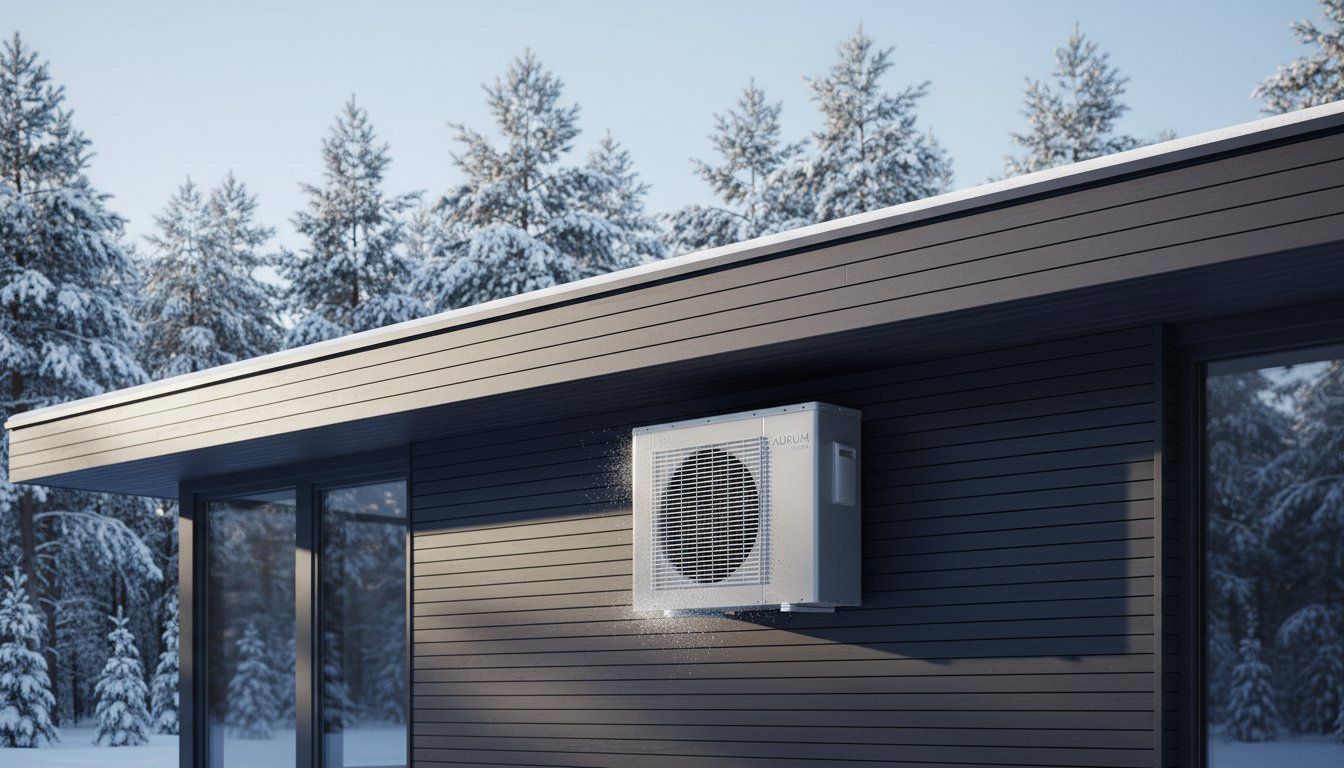
Imagine a crisp January morning when, looking out of the window, you notice that your reliable heat pump has turned into a gleaming ice sculpture. For many homeowners, such a sight is enough to make them hold their breath in alarm, fearing damage to the expensive equipment and a sudden loss of efficiency. We fully understand this feeling of uncertainty, because Latvia's changeable climate, with high humidity and sudden temperature fluctuations, is a serious challenge for any heating system. In this guide, we will explain exactly what heat pump icing is and how to prevent it, so that your home remains consistently warm and your bills do not rise unexpectedly.
You will learn why a layer of ice forms, how to recognise when the unit needs assistance, and how to carry out simple preventive measures yourself. Our aim is to give you a clear action plan and peace of mind, knowing that your heat pump will continue to operate flawlessly even when a snowstorm is raging outside. We will explore practical advice that will help maintain the system's efficiency and extend its service life for many years, while avoiding unnecessary servicing costs and unplanned repairs.
Why does a heat pump ice up? The difference between frost and dangerous ice
A heat pump operates by cooling the outdoor air in order to extract energy for heating the home. When the temperature falls below zero and even a small amount of moisture is present in the air, it naturally condenses and freezes on the fins of the unit's evaporator. This process is based on fundamental laws of physics that explain why a heat pump ices up and why a thin layer of frost is completely normal in any household.
Manufacturers have anticipated this process, so every modern unit has a built-in automatic defrost cycle, also known as defrost. Every 30 to 90 minutes, the heat pump briefly reverses its operating cycle to warm the outdoor unit and melt the accumulated frost. If you notice steam rising from the unit or water flowing underneath it, do not worry. This is a sign that the system is operating correctly and dealing with the challenges created by the weather on its own.
Problems begin when the frost does not have time to melt and gradually turns into a thick, transparent layer of ice. Heat pump icing and how to prevent it becomes a critical issue if you notice any of the following warning signs:
- A solid block of ice completely covers the fan blades or the air intake fins.
- Ice accumulates at the bottom of the unit and begins to build upwards, obstructing the rotation of the fan.
- The unit starts operating unusually loudly, with vibration or metallic noises.
- Heat output indoors decreases significantly because air can no longer circulate freely through the frozen heat exchanger.
The laws of physics and Latvia's changeable climate
Latvian winters are particularly challenging because of their variability. Many homeowners mistakenly believe that severe frost poses the greatest risk, but in reality the most difficult conditions for the equipment occur at temperatures between +2°C and -5°C. In this range, air humidity often exceeds 90%, creating ideal conditions for rapid ice formation. At the end of the defrost cycle, all water must be able to drain freely from the base of the unit. If the drain opening is frozen or blocked by leaves, the water remains inside the casing and freezes again during the next cycle. This layered ice is the main reason why the unit may fail during the coldest weather.
Factors that contribute to critical icing of the heat pump's outdoor unit
A heat pump needs to breathe in order to operate efficiently. Restricted airflow is one of the most common reasons why a unit cannot deal with frost on its own. If the evaporator fins of the outdoor unit are blocked by autumn leaves, dust or other debris, air can no longer circulate in sufficient volume. This forces the system to work harder, lowering the temperature of the heat exchanger surface even further and accelerating ice formation. A basic understanding of heat pump icing and how to prevent it begins with regular inspection and cleaning of the outdoor unit.
More technically complex causes are usually related to the system's internal processes. A low refrigerant level caused by a leak makes the evaporator disproportionately cold, literally drawing in moisture and turning it into ice within minutes. Faulty sensors or a defective control board can also completely disable the defrost function. The unit simply does not receive the signal that it is time to activate defrost mode. In such cases, even the best unit will turn into a block of ice unless professional diagnostics are carried out. Practical steps for preventing icing include not only visual checks, but also calling a specialist promptly at the first sign of a possible fault.
Condensate drainage is another critical point. If the drain opening in the base of the unit is frozen, the water from the defrost cycle cannot escape. It remains at the bottom of the casing, freezes and, with each subsequent cycle, builds an ice layer upwards until it reaches the fan blades. If you notice ice growing from the bottom, this is a clear sign of a drainage problem. If you are unsure about the condition of your unit, the Commodus team is always ready to help with advice or technical maintenance.
Installation mistakes that can be costly
In Latvian conditions, the installation height of the unit is extremely important. If the heat pump is installed too low, snowdrifts or ice falling from the roof may physically block the airflow. In addition, prevailing winds can literally blow the heat away from the unit during the defrost cycle, making the process ineffective. A correctly chosen location and protection from the wind are fundamental prerequisites for preventing heat pump icing correctly from the very beginning.
Practical steps for preventing icing: from installation to maintenance
Ensuring a long service life begins with constructing the correct base. The heat pump should be positioned at least 30 to 50 centimetres above ground level. This is not only protection against snowdrifts, but also a necessity so that an ice mound formed by water from the defrost process can develop freely beneath the unit without reaching the unit itself. If the unit is installed too low, this ice will quickly reach the base and block the drainage, causing an emergency shutdown.
Another important component is a drainage tray with a self-regulating heating cable. This is the most effective way to ensure that condensate is discharged a safe distance from the unit even in severe frost. Without a heating cable, the water freezes in the tray itself, creating a dangerous build-up of ice that may eventually damage the casing. In everyday operation, heat pump icing and how to prevent it is a matter of discipline: once a week, spend a few minutes visually inspecting the outdoor unit and clearing away accumulated snow or debris carried by the wind.
Once a year, however, entrust the work to professionals who will carry out technical maintenance. A specialist will check the system pressure, sensor accuracy and ensure that all electrical connections are secure. To be completely certain that your system is ready for winter, we recommend that you book professional maintenance with our technicians.
Why does an air-to-water heat pump require special attention?
During Latvian winters, an air-to-water heat pump operates under significant load because it must provide a sufficient temperature for the heating system even when outdoor temperatures are below zero. It is important to optimise the system settings for the bimetal thermostats so that defrost cycles are activated at exactly the right time. Correct configuration helps prevent unnecessary electricity consumption and mechanical wear caused by the unit switching between operating modes too frequently.
Smart solutions and automation
Modern technology offers remote monitoring, which is an excellent aid for homeowners. If you notice a sudden and unexplained increase in energy consumption in the app, this is the first sign that the unit may be struggling with icing and operating inefficiently. Smart algorithms can adjust the intensity of defrost cycles based on the parameters of the specific model and the actual air humidity, preventing ice blocks from forming before they become dangerous.

What should you do if the heat pump is already frozen? The correct response
If the unit has turned into a gleaming block of ice, the most important thing is to remain calm and avoid using sharp objects. Chipping away ice with a hammer, screwdriver or shovel is the surest way to permanently damage the delicate evaporator fins or puncture the refrigerant pipes. Such a "repair" will end with expensive component replacement, so the use of mechanical force is strictly prohibited. The best course of action is to use the system's manual defrost function or, if the outdoor temperature allows, carefully pour warm water over the external fins. Remember that the water must be warm, not boiling, to avoid thermal shock to the metal components.
Manually switching the system to cooling mode for a short time may help, because heat is then transferred to the outdoor unit, literally melting the ice from the inside. However, this is only a short-term measure. Understanding heat pump icing and how to prevent it will help you realise that ice is only a symptom, not the underlying problem. If the unit freezes again shortly after this type of defrosting, this indicates a technical fault that cannot be resolved without professional assistance.
First aid for a frozen unit
Start by switching off the system and carrying out a visual inspection. Check whether ice has blocked the fan blades, as starting them in this condition may burn out the motor. Make sure the condensate drain path is clear; if water cannot escape after the ice has melted, it will immediately refreeze at the base and create an even larger layer of ice. Only after you have confirmed that the fan can rotate freely and the drainage is clear should you attempt to restart the unit.
When should you call a technician? If the defrost cycle does not start after manual activation, or if you notice traces of oil on the ice that may indicate a refrigerant leak, contact specialists immediately. Our experience shows that preventive heat pump maintenance is always less expensive and less stressful than an emergency call-out when the heat in your home begins to disappear. We, the Commodus team, are here to help you feel confident about your heating system even during the harshest Latvian winter. Take care of your heat pump in good time, and it will reward you with reliable comfort and low electricity consumption.
Keep your home warm without unnecessary worry
Understanding why ice forms and how to recognise the system's natural defrost cycle is the first step towards a worry-free winter season. Remember that regularly inspecting the outdoor unit and ensuring unrestricted condensate drainage are simple but critically important tasks that you can perform yourself. However, in more complex cases, when the unit cannot cope with the load or unusual noises appear, the safest option is to rely on the experience and knowledge of professionals.
We know that heat pump icing and how to prevent it correctly from a technical perspective is essential for the system's longevity and for keeping bills low. With more than 15 years of experience in the Latvian market and a team of certified specialists, we provide a full-service guarantee for all our solutions, from air-to-water to ground-source heat pumps. Book professional heat pump maintenance with Commodus today! and be confident that your heating system will not let you down even on the coldest nights. We are here to help you create a comfortable atmosphere in which technology works for your comfort instead of causing unnecessary concern.
Frequently asked questions about heat pump operation in winter
Is it normal for a heat pump to produce steam in winter?
Yes, this is completely normal and indicates that the defrost process is working successfully. The "smoke" you see is actually water vapour produced when the unit rapidly heats the outdoor heat exchanger to melt accumulated frost. This process usually lasts only a few minutes, after which the unit returns to standard heating mode. There is only cause for concern if the steam is accompanied by an unpleasant burning smell or unusual metallic noises.
How often should a heat pump run a defrost cycle?
The frequency of the defrost cycle depends on the outdoor temperature and humidity level, but on average it takes place every 30 to 90 minutes. In Latvia's climate, where air humidity often exceeds 90%, the unit may activate this mode more frequently than during dry frost. It is an automated process controlled by sensors, ensuring that heat pump icing and its prevention are managed within the system before ice begins to obstruct the airflow.
May I pour hot water over a frozen heat pump myself?
You may use warm water to defrost the external fins, but under no circumstances should you use boiling water. Excessively hot water can cause thermal shock to metal components and lead to cracks or other serious damage. Pour the water carefully only over the heat exchanger fins, avoiding a direct stream onto the fan motor or electronic components. Remember that after this procedure, all water must drain completely from the base so that it does not freeze again.
Why does a heat pump ice up when the outdoor temperature is above zero?
A heat pump can ice up even when the outdoor temperature is +2°C or even +5°C because the surface temperature of the unit's evaporator is significantly lower than the surrounding air during operation. When moist air comes into contact with this cold surface, it condenses and freezes as frost. This transitional range between temperatures above and below zero is particularly favourable for frost formation because the air contains much more moisture than during severe, dry frost.
How can you tell when heat pump icing has become critical?
Icing has become critical when a heavy layer of ice completely covers the outdoor unit and the unit can no longer melt it on its own over several cycles. If you notice the ice beginning to press against the fan blades, or the unit operating unusually loudly with strong vibration, it is the last moment to take action. At such times, heat pump icing and how to prevent it becomes a priority in order to avoid irreversible damage to expensive components such as the fan motor or compressor.
Comments