Comparison of heating costs in 2026: Which solution is the most advantageous in Latvia?
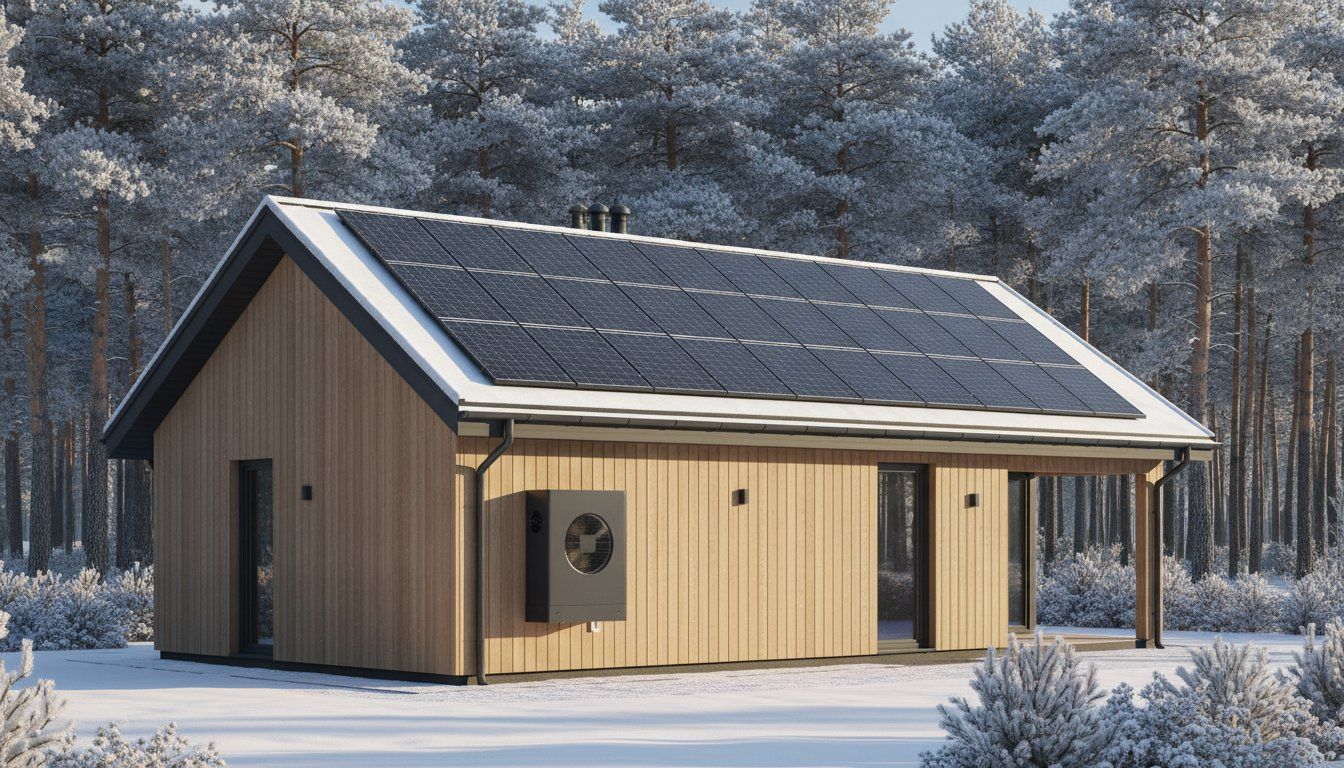
Did you know that the prices of wood pellets have even increased by 38.6% during the year, while the natural gas excise duty has increased to 0.00595/kWh from 1 January 2026? We all see that the energy market is now reminiscent of unpredictable weather conditions, where the decisions taken yesterday do not seem so reliable today.
This comparison of heating costs for 2026 will provide you with an accurate data collection so that you can make a valid decision on the most energy efficient solution for your family. We have collected information on current costs per kilowatt hour, on the payback cycles of equipment and on the latest state aid programmes, which for some groups of the population now cover up to 85% of the investment.
Heating costs in Latvia in 2026: Current situation
2026 In the Latvian energy sector, significant changes have been made, which directly affect every owner of the dwelling. Increase in the natural gas excise tax to 0.00595 EUR/kWh and increase in the price of wood pellets by about 38.6% per year have led many to revise their heating habits. Currently, the price of quality A1 pellets varies around 315 EUR per tonne, which, together with fluctuations in electricity prices, makes planning more difficult. comparison of heating costs 2026 For the year 1931, it became a practical necessity for a comfortable life.
To objectively assess which system is the most advantageous, we need to look at one common indicator: the price of one kilowatt-hour of heat produced (kWh). This is the only way to compare energy sources as different as electricity, gas or wood. Types of heating systems heat is produced with a radically different efficiency. For example, while a gas boiler produces a little less than 1 kWh of heat from 1 kWh of fuel, modern CTC heat pump can triple or even quadruple this figure. Nor can you forget about the energy efficiency of the building, because even the cheapest heating will not help if the heat literally bites through insufficiently insulated walls.
What makes up the cost of heating?
Many mistakenly think that the heating bill is made up of the price of fuel only. In fact, the total cost consists of several essential components:
- Energy price: This is the total amount of subordinated liabilities issued by the undertaking that meet the criteria for Tier 2.
- Utility of the installation: For heat pumps, this is measured by COP (efficiency factor) and for boilers with a percentage efficiency. Higher coefficient means less resource consumption.
- Service and maintenance: Each system requires periodic maintenance to operate safely and economically.
Fossil fuel use is becoming increasingly expensive in 2026 not only due to excise duties, but also due to the rising price of CO2 emission allowances, which reached EUR 82.20 per tonne in July. comparison of heating costs 2026 help you to see the overall picture behind the monthly invoices and choose a solution that will be friendly to both the wallet and the environment.
Comparison of the most popular heating types: price and efficiency in kWh
Choosing the most appropriate system should understand that each technology has its own "golden middle road" between installation expenses and monthly bills. comparison of heating costs 2026 Their seasonal efficiency ratio (SCOP) usually varies between 3.5 and 4.5. This means that four heat units are produced from one kilowatt-hour of electricity. In turn, ground heat pumps, although required by the a borehole development and increased investment, ensures the highest stability even on the harshest island. Our experience shows that the ground heat pump is the most resistant to extreme temperature fluctuations.
Granule heating using solutions such as: RTboiler (5616)Although the price of pellets reached about 315 EUR/t in summer 2026, modern boilers with high efficiency help to maximise the use of this resource. Natural gas users must take into account the availability of infrastructure and the growing excise duty, which makes this resource less attractive compared to renewable energy solutions.
Heat pump vs. Granulu boiler: Which one to choose?
The biggest difference lies in comfort and everyday rituals. The heat pump works completely autonomously, while the boiler of granules requires periodic bunkering and ash removal. If you are looking for a solution "put it on and forgotten," then you will be useful for our Air-water heat pump guide, which describes in more detail the operation of these installations. State aid for heatingwhich helps to cover part of anew CTC heat pump the cost of acquisition.
Profitability of natural gas and direct electricity heating
Natural gas is facing tax pressures, so accurate comparison of heating costs 2026 Condensation boilers still serve as an excellent addition to hybrid systems, but direct electricity heating with radiators remains the most expensive option. It consumes electricity in a 1:1 ratio, which at January 2026 prices (0,153 EUR/kWh) can generate huge bills.
Maximum savings: Heat pump and solar panels
If we looked at how different resources affect the wallet in the previous sections, let us now look at how to "round" the costs to the minimum. In 2026 it is not enough to have an effective machine. Those who learn how to produce and manage energy themselves win the win. Solar panel sets have become an integral part of a modern house, because they directly feed the heat pump with free electricity. comparison of heating costs 2026In 2007 it is demonstrated that by combining these two technologies, you are shielding yourself from the price fluctuations we experienced in January this year when the price of electricity on the stock exchange reached EUR 153.43/MWh.
In Latvia, in 2026 a net settlement system was developed, which promotes immediate self-consumption. In the sunshine hours, the energy produced is immediately used to operate the heat pump or to heat water. State aid to cover heating costs and investment in renewable resources has helped thousands of households to reduce their dependence on external suppliers. This is especially beneficial for "Hod families," for which the aid intensity is planned to be up to 85% of the cost in 2026. To help you to navigate the wide range of offers, we have prepared Guide to solar panelswhich explains system planning step by step.
Synergies in practice: How much can be saved?
While your neighbors pay for gas or electricity from the grid, your heat pump uses solar energy to provide comfort to the whole family. In spring and autumn, when the heating season is still running, but the sun is already active, solar panels can cover a significant part of the heat pump consumption. This allows you to shorten the period of time when heating is charged a full price by several months. comparison of heating costs 2026 For the year 2002 the combination is the most financially sustainable.
The role of smart management in 2026
Modern systems are no longer simply "on or off" boxes. Smart control allows the heat pump to work more intensively at the very moment when solar panels produce the most energy. However, even smarter heating will not help if the heat is blown out of the window. ventilation with recuperation, which not only provides fresh air, but also recovers up to 90% of the heat that otherwise disappears during the ventilation process. This is the last element of complete energy efficiency.
If you want to know how this combination would work directly in your home, look at our offer CTC heat pumps and learn more about their integration with other energy efficient solutions.
State aid and maturity of the investment
2026 is an excellent time to finally replace the old boiler for something more modern and efficient. As shown by our performance comparison of heating costs 2026 The EQF programme still has a budget of 26,8 million euros for the replacement of fossil fuel plants. Altum offers entrepreneurs outside Riga with a capital discount of up to 30%, while the intensity of the support is planned for up to 85%. By May 2026 more than 15 700 energy efficiency projects have been implemented in Latvia, which confirms the trust of the people in these mechanisms.
The real ROI (return on investments) depends directly on how well you use these programs. If the cost of the equipment is reduced by half or more, the payback period is reduced from ten years to four or five years. The team of Kommodus not only helps to choose the most appropriate ones CTC heat pumps or a pellet boiler, but also actively engage in the preparation of documentation. We know that bureaucracy is scary, so we help you to arrange applications so you get the maximum possible support without any stress.
How to get state aid: 4 key steps
The process may seem complicated, but we have simplified it up to four understandable steps:
- Technical survey: The heat losses of the building and the state of the existing system should be determined to select the correct power.
- Preparation of the application: A device meeting the performance requirements should be selected, e.g.: AlpicAir Heat pumps.
- Installation: Our certified masters perform the assembly and adjust the whole system.
- Reference: After completion of the work, supporting documents are submitted for funding in your account.
Why choose a Commodus full service cycle?
We believe that heating is not just pipes and wires. It is the warmth and peace of your home in the long term. Therefore, we offer a full cycle of free consultations and design to warranty maintenance throughout Latvia. In our offices you can see the equipment and talk to knowledgeable masters who have experience in working with the Latvian market since 2010. We speak human language and are next to each stage, whether you live in Riga, Liepaja or Alūksne.
If you want to know what exactly is comparison of heating costs 2026 in the year 1999 for your home and how much public support you can receive, contact our experts for individual calculation!
Choose your way to energy independence today
This comprehensive comparison of heating costs 2026 The key to success is today in the combination of smart technologies and timely action. The heat pump paired with solar panels and a high quality recovery system has become the gold standard for anyone who wants predictable bills and maximum comfort in life. State aid programmes in 2026 are unprecedentedly generous, allowing housing to be modernised with considerably less own capital than previously possible.
Commodus team with more than 15 years of experience in energy efficient solutions is your reliable partner in this process of change. As official representatives of the CTC and AlpicAir in Latvia we provide not only the highest-class equipment, but also professional assembly and service throughout the country. We not only install equipment, but also personally take care of your peace of mind from first consultation to successful state support.
Get a free heating cost calculation for your home from Kommodus experts!
Start saving wisely and forward-looking. Every step towards energy efficiency is a contribution to your family stability and to Latvia's greener future. We are ready to help you to make this path easy, clear and confident.
Frequently asked questions on heating in 2026
Which heating system is the cheapest in 2026?
The lowest operating costs are currently provided by air-water and ground heat pumps, especially if combined with a solar panel system. Although the heating of the pellets has historically been the cheapest option, the increase in the price of pellets by about 38.6% in 2026 has made the efficiency of the heat pumps the most economically advantageous option. comparison of heating costs 2026 For the year 2009, it is self-consumption electricity that is the safest way to protect itself from fluctuations in the price of resources on the stock exchange.
Does the heat pump really pay off in Latvia?
Yes, the heat pump pays off on average in four to six years if the state co-financing for the purchase of the equipment is used. Altum and EQF programmes available in 2026 allow to cover a significant part of the investment, which significantly accelerates the return. Modern equipment, such as CTC heat pumps, is specially adapted to the Nordic climate and maintains high efficiency even at very low outdoor temperatures, providing stable heat without an increase in additional electricity consumption.
What are the average heating costs of 150 m2 for the house in 2026?
The exact costs are determined by the energy efficiency class of the building and the type of fuel chosen, but they are the lowest in an energy efficient house with a heat pump. Given that the natural gas excise duty has increased and electricity prices in January reached as much as 0.153 EUR/kWh, direct electric heating with radiators is the most expensive solution. comparison of heating costs 2026 In 2009, it is evident that investing in thermal insulation and efficient heat pump is the only way to keep accounts at a predictable level.
Is it possible to receive State aid if a pellet boiler is installed?
Yes, state support is also available for the installation of advanced and highly efficient biomass boilers, if they replace fossil fuel plants. The EQF programme supports the transition to renewable energy sources to reduce CO2 emissions. It is important to choose a high efficiency plant that meets the technical criteria of the programme.commodus specialists will help you prepare the necessary documentation to make the application process simple and successful.
How often does maintenance of the heat pump be required?
The preventive maintenance of the heat pump must be performed once a year, preferably before the start of the heating season. Such regularity ensures maximum efficiency of the system, extends the life of the equipment and guarantees the fulfilment of the manufacturer's warranty conditions. During the maintenance, our masters check the cooling agent's pressure, filters and control system settings. Professional monitoring prevents possible damage even before it occurs, giving you peace of mind and safety in the harshest winter months.
How does solar panels affect the heating bill in winter months?
In the darkest winter months, direct production of solar panels is limited, but they significantly reduce total annual spending through the net settlement system. In spring and autumn seasons, when the sun shines more often, but heating is still needed, panels can cover a large part of the heat pump consumption. With smart control systems, the heat pump can work more intensively at the moment when the panels produce energy, thus storing heat in building structures or in warm water tank free of charge.
Comments