Heat Pump Maintenance and Costs: A Complete Guide for 2026
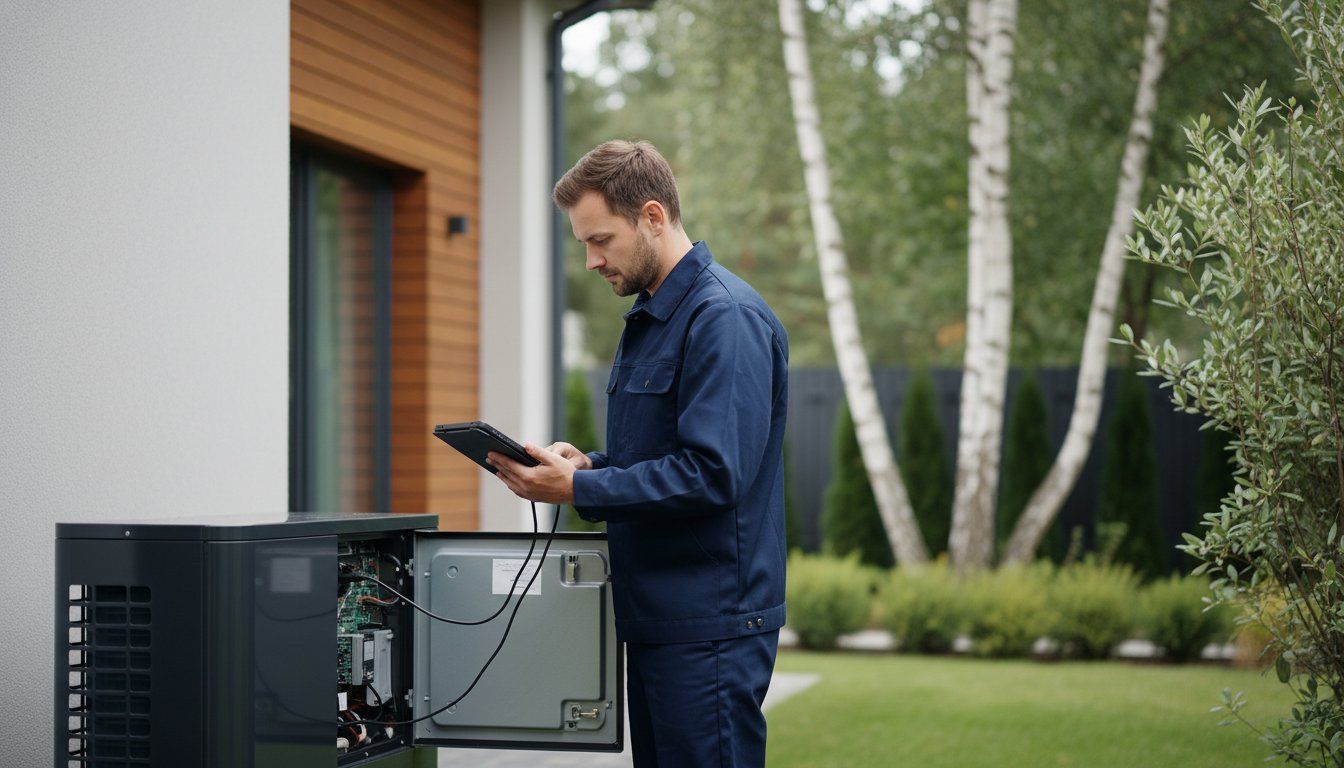
Have you noticed that your heat pump is starting to use more electricity than it did during its first season, or worried that it might stop working in the middle of a January cold snap? We understand these concerns, because the heating system is the heart of the home and requires regular attention rather than mere hope that everything will work out. Heat pump maintenance and its costs often seem like an unclear variable, but in reality they are a planned investment that protects you from expensive repairs and preserves the unit's efficiency for decades.
We believe that trust is built through openness, so in this guide we will “pull together” and explain every important aspect of maintaining your equipment. You will learn why, in 2026, standard maintenance for units with a capacity of up to 15 kW costs EUR 180 and exactly what work a technician should perform to prevent your bills from rising. We will also review the latest information on state support programmes available until the end of 2029 and provide a clear plan for maintaining the manufacturer's warranty, so that your home remains comfortable and safe throughout every season.
Key takeaways
- Learn how regular preventive maintenance helps maintain a high SCOP and prevents electricity consumption from increasing by 10–25%.
- Get a complete list of professional servicing tasks required to ensure the unit's efficiency and hygiene.
- Understand how heat pump maintenance costs are determined by the complexity of the system, allowing you to plan your budget wisely and without surprises.
- Find out the optimal maintenance schedule and the practical steps you can take to look after the unit between technician visits.
- Protect the manufacturer's warranty and extend the unit's service life by following the recommendations of certified Latvian experts.
Why is heat pump maintenance critical to the comfort of your home?
A heat pump is one of the smartest investments in a modern home, but it is not a “fit and forget” solution. Regular preventive maintenance is required for reliable operation. The main objective is to maintain a high SCOP, which determines how efficiently the unit converts electricity into heat throughout the season. If the system becomes clogged or is technically neglected, this figure falls rapidly and the unit begins to use more energy to reach the desired temperature.
By understanding the operating principles of heat pumps, it becomes clear that any restriction to airflow or fluid flow forces the compressor to work much harder. This is not merely a theoretical risk. Experience shows that a dirty heat exchanger can increase electricity consumption by between 10% and 25%. This means that you pay more for the same amount of heat simply because the unit has to work harder. In addition, the cost of regular heat pump maintenance is minimal compared with the expense caused by a refrigerant leak or compressor failure. Servicing is also a mandatory condition for retaining the manufacturer's warranty and your long-term peace of mind.
How does an unmaintained heat pump “eat up” your money?
When the heat-exchanger fins become covered with dust, pet hair or outdoor pollution, heat-transfer efficiency decreases. The laws of physics are unforgiving: heat has more difficulty passing through a layer of dirt. As a result, the compressor, which is the most expensive component in the unit, must run for longer and at higher speeds. This constant overload not only increases your bill but literally shortens the service life of the equipment. A properly maintained heat pump can last for as long as 25 years, whereas a neglected unit often fails after only 15 years. That represents a considerable difference to your family budget.
Challenges posed by the Latvian climate
At our latitude, equipment is exposed to particularly demanding conditions. Humid air and frequent freezing cycles during winter require the outdoor unit to perform regular defrost cycles. If the drainage system is blocked with leaves or pine needles, ice can damage the fan or even deform the casing. In summer, the greatest threat is birch and dandelion fluff, which can cover the evaporator like dense felt. Preventive maintenance immediately before the start of the season ensures that the system is ready for heavy loads and will not let you down when severe frost arrives.
What is included in professional heat pump servicing?
When our technician arrives at your home, the service begins with a thorough “health check” of the entire system. This is much more than a visual inspection. Professional heat pump maintenance work also includes cleaning biological contamination such as pollen, moss and urban dust from the evaporator of the outdoor unit. This step is critical for maintaining unrestricted airflow and maximum efficiency. Inside the indoor unit, the filters and heat exchanger are disinfected. This is important not only for the performance of the equipment but also for indoor air quality, as it helps prevent the spread of bacteria and mould spores.
In addition to cleaning, the technician diagnoses the technical components. All electrical connections and control systems are checked to ensure that the system responds correctly. An important part of the service is checking the heat-transfer fluid pressure and the operation of the expansion vessel. If system pressure is not optimal, the pumps operate under unnecessary load, directly affecting long-term heat pump maintenance costs. The earlier minor deviations are detected, the lower the risk of expensive repairs. Once the work is complete, the technician will read the operating parameters and optimise the settings to suit your daily habits.
Specific checks for air-to-water systems
Air-to-water systems have specific features that require particular attention. One of the most important tasks is cleaning the magnetic dirt separator. This filter captures metal particles and deposits from the heating circuits, protecting the heat pump's heat exchanger from blockages. The three-way valve and circulation pumps are also tested to ensure even heat distribution. The technician will also check the quality of the antifreeze or water, as an incorrect chemical composition can cause corrosion in the pipework. If you feel that the system no longer heats as well as before, our experienced technicians will help identify and eliminate the cause.
Diagnostics using smart tools
Modern servicing is impossible without smart technology. Using specialist software, we read the fault history directly from the controller. This reveals problems that may not yet have stopped the unit but already indicate developing faults. Particular attention is paid to “short cycling”, or excessively frequent operating cycles. If the heat pump switches on and off every few minutes, this indicates incorrect settings or hydraulic problems. Such analysis allows us to provide precise recommendations for adjusting the system to achieve maximum energy efficiency and peace of mind.
Heat pump maintenance costs: what do they depend on?
When planning a budget for maintaining the heating system, it is important to understand that heat pump maintenance costs are not the same in every home. The main factor is the type of equipment. Servicing an air-to-air system is generally simpler and less expensive because it does not involve hydraulic work. Servicing an air-to-water or ground-source heat pump, by contrast, requires more detailed checks of the heating circuits, pressure and heat-transfer fluid quality. The more complex the system, the more time the technician must spend on site to verify the correct operation of every component.
The complexity of the system is also affected by additional components such as buffer tanks, multiple heating circuits and combined solutions with solar panels. The final invoice is also influenced by the distance to the property and the consumables required. Professional servicing always uses specialist disinfectants and high-quality filters to ensure system hygiene. According to the recommendations of the US Department of Energy, regular preventive maintenance and precise calibration of the settings are the only reliable way to avoid unexpected future costs, as even a small operating deviation can cause a noticeable increase in the electricity bill.
Average market prices in Latvia in 2026
In 2026, standard heat pump maintenance for units with a capacity of up to 15 kW costs an average of EUR 180 on the Latvian market (EUR 148.76 plus VAT). This usually includes all standard work carried out by a certified technician on working days. If you live outside the Riga area, transport costs should also be taken into account; under current tariffs, these are approximately EUR 0.55 per kilometre plus VAT. Many customers choose long-term service agreements, which provide regular supervision and help protect them from seasonal price fluctuations. Choosing the cheapest available technician without the appropriate certification risks invalidating the manufacturer's warranty, which may ultimately cost thousands of euros.
Additional costs: when should you expect to pay more?
Maintenance sometimes reveals that components need to be replaced. Seals, sensors or worn magnetic-filter elements are relatively minor expenses, but they are essential for maintaining the system's integrity. In some cases, the heat-transfer fluid may need to be topped up or completely replaced if testing indicates a risk of corrosion. Emergency call-outs during the peak heating season, at weekends or on public holidays are charged at higher rates. For example, a service technician's hourly rate outside normal working hours may reach EUR 70, which is why we always recommend carrying out preventive maintenance in good time, before the first frost.

Maintenance frequency and tasks the homeowner can perform
How often is a technician's visit actually required? Our experience shows that the optimal schedule is one complete professional service per year. It is advisable to arrange this in autumn, before the first frost, so that you can be fully confident that the system is ready for heavy demand. This is particularly important for new heat pumps during their first two years of operation. During this period, the system settles into operation, and the technician can precisely calibrate the settings during the first services, correcting minor issues that could otherwise lead to expensive damage later. Remember that heat pump maintenance and its costs are a planned measure that protects you from sudden and unpleasant expenses in the middle of winter.
As the homeowner, you do not need to remain passive. It is worth carrying out a visual inspection of the equipment once a month. Pay attention to unusual noises or vibrations. If you notice oil stains near pipe connections or a persistent layer of ice on the outdoor unit that does not disappear even after a defrost cycle, this is a sign that a technician should be called immediately. This proactive approach helps keep the system in working order and ensures that heat pump maintenance and its costs remain predictable.
What may the homeowner do personally, and what should they not do?
Your main task is to ensure that the unit can “breathe”. The outdoor unit should be regularly cleared of leaves, branches, snow and accumulations of ice. This must be done carefully, without using sharp objects that could damage the delicate heat-exchanger fins. For owners of air-to-air systems, the most important task is cleaning the indoor filters every one to three months. This can be done personally by simply washing the filters under running water. Under no circumstances, however, should you attempt to open the refrigerant circuits or alter the control wiring. Any unauthorised intervention in technically complex components is dangerous and automatically invalidates the manufacturer's warranty.
Seasonal preparation work
The change from summer cooling to winter heating mode is the right time for a brief inspection. Check the condensate drain pipe to make sure it is not blocked; otherwise, water may freeze inside it during winter and damage the unit. Also inspect the pipe insulation to determine whether it has been damaged by birds or sunlight. If the insulation has deteriorated, heat losses will increase. Once the household checks are complete, we recommend that you book a service visit in good time, allowing our team to carry out professional diagnostics so that you can approach winter with warmth and peace of mind.
Why entrust heat pump servicing to the Commodus team?
When choosing a service partner, the most important consideration is confidence that the warmth of your home is in safe and experienced hands. The Commodus team has worked in Latvia's energy-efficient solutions market for more than 15 years. During this time, we have learned that customers value not only technical accuracy but also personal responsiveness and clear communication. We are not simply technicians who arrive and silently perform mechanical tasks. We are your partners, committed to ensuring that you fully understand how your equipment works and feel confident about every euro invested. We see ourselves as knowledgeable professionals who also lead active lifestyles, bringing the same energy and endurance to our work that we expect from ourselves in sport.
Our team consists exclusively of certified specialists who regularly update their knowledge with leading global manufacturers such as Midea and Daikin. Each brand has its own technical characteristics, and our technicians' experience enables them to identify issues before they develop into genuine operating problems. We “pull together” with you throughout Latvia, whether the work is required in a small apartment or a large office building. Our objective is to ensure that heat pump maintenance and its costs deliver the greatest possible return by maintaining a high SCOP and providing long-term peace of mind.
The Commodus service standard
We believe in complete transparency, which is why our pricing is clear and contains no unpleasant surprises on the invoice. We use modern diagnostic equipment that allows us to read the fault history accurately and eliminate the causes rather than merely the symptoms. This approach ensures that the unit operates at maximum efficiency even on the coldest winter nights. We also accept full responsibility for our work, providing a warranty for both the work performed and the replacement parts installed, thereby creating a safe and comfortable environment for your family.
How do you book maintenance, and what should you expect?
Our booking process is designed not to waste your valuable time. Simply contact our team, and we will promptly agree on the most convenient time for the visit. Before the technician arrives, we ask you to ensure unrestricted access to the equipment so that the work can proceed efficiently. At the end of the visit, the technician will not only complete the maintenance but also provide practical advice on optimising the settings for the specific characteristics of your home. If your unit is due for its annual inspection, do not postpone it. Book heat pump maintenance with the Commodus specialists today!
Protect your home's warmth and your peace of mind for years
Heat pump efficiency is not a matter of chance, but the result of considered and regular action. As we have established in this guide, heat pump maintenance and its costs are a modest investment that protects against a 10–25% increase in electricity consumption and can extend the unit's service life by an entire decade. Remember that timely preventive maintenance before the start of the season is the only reliable way to retain the manufacturer's warranty and avoid unpleasant surprises in the middle of winter. Our aim is to give you confidence that your heating system will not let you down when it is needed most.
The Commodus team is your reliable partner with more than 15 years of experience in the Latvian market. We have serviced more than 5,000 properties, each of which has provided valuable experience that we can now apply to the comfort of your home. Our certified engineers work accurately and responsibly to ensure that every component operates flawlessly. Entrust the condition of your equipment to professionals who care not only about technical workmanship but also about your long-term peace of mind.
Book heat pump maintenance and diagnostics
Frequently asked questions
How often should a heat pump be serviced?
A heat pump should be serviced at least once a year to ensure its durability and efficiency. It is best to schedule the service between December and August, thereby avoiding the high workload of technicians at the beginning of the heating season. Regular inspections allow minor deviations to be detected before they develop into expensive repairs. Preventive maintenance ensures that the system operates at the highest possible SCOP and will not let you down on the coldest winter day, when heat matters most.
Can I carry out the maintenance myself to save money?
You may carry out only the simplest cleaning tasks yourself, such as removing leaves from the outdoor unit or washing the indoor filters. Professional heat pump maintenance includes specific procedures that require certified tools and knowledge of refrigerant circuits. Remember that unauthorised intervention in technically complex components not only endangers your safety but also immediately invalidates the manufacturer's warranty, potentially causing major long-term losses.
How can I tell whether my heat pump is operating inefficiently?
The main indicator is a sudden increase of 10–25% in electricity consumption without an obvious cause. Also pay attention to “short cycling”, meaning excessively frequent start-up cycles. If the rooms no longer reach the set temperature or the unit produces unusual sounds, this is a clear sign that immediate diagnostics are required. Acting promptly helps prevent compressor overload, which is usually the most expensive and complex type of system repair.
Is servicing compulsory while the unit is still under warranty?
Yes. Regular professional maintenance is a compulsory condition for retaining the manufacturer's warranty throughout its term. Most brands, including Midea and Daikin, require at least one visit by a certified technician per year, recorded in the service log. If maintenance has not been performed and the unit fails, the manufacturer is entitled to refuse a free repair. A service visit should therefore be regarded as insurance for your peace of mind and the unit's longevity rather than an unnecessary expense.
How long does standard heat pump maintenance take?
On average, standard maintenance takes between 1.5 and 3 hours, depending on the complexity of the system and its current technical condition. Servicing air-to-air systems is generally faster, while air-to-water units require more time to check the hydraulic components and magnetic filters. During the work, the technician not only cleans the equipment but also reads and optimises the system parameters. The exact duration depends on how easily both units can be accessed.
What are the most common problems when maintenance is not carried out regularly?
The most common problem is blockage of the heat exchangers, which causes the compressor to overheat and wear prematurely. Without regular cleaning, the equipment's service life may fall from 25 years to as little as 15 years. Dirty filters in the indoor unit also become a favourable environment for bacteria and mould, reducing indoor air quality. Neglecting maintenance also increases the risk of refrigerant leaks, which not only harm the environment but also dramatically reduce the overall heating output.
Do maintenance costs differ between heat pump brands?
The basic maintenance charge is generally fixed regardless of brand and, in 2026, is approximately EUR 180 for a unit with a capacity of up to 15 kW. Price differences are determined more by the equipment type and system configuration, for example whether additional buffer tanks are installed. Costs may increase only if a particular brand requires the replacement of specific proprietary components or fluids. Our technicians understand the characteristics of the most popular manufacturers and provide high-quality service for any installed system.
What happens if the technician finds a serious fault during maintenance?
The technician immediately informs the customer, explains the nature of the fault and prepares a repair quotation for the required work. Our approach is based on open communication, so we always propose the best solution to prevent further damage. Detecting a problem during maintenance often makes the repair considerably less expensive than it would be if the unit stopped completely during severe winter weather. Once approval has been received, we order the necessary parts and carry out the repair to restore system efficiency as quickly as possible.
Comments